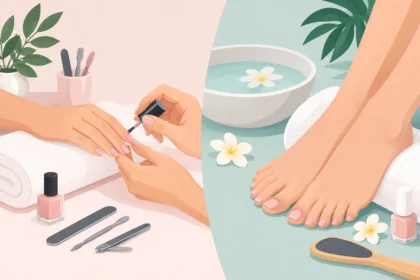

Freshly polished toes can make sandals, work shoes, and even a regular Tuesday feel more put together. But a pedicure is more than a color change. It is dedicated time for nail shaping, cuticle care, exfoliation, moisture, and a closer look at how your feet are doing. So, how often should you get pedicure care? For most people, every four to six weeks is a comfortable, practical schedule.
That said, your best timing depends on how quickly your nails grow, what kind of polish you wear, your daily routine, and what your feet need between appointments. A good pedicure schedule should keep your feet feeling cared for without turning maintenance into one more stressful item on your calendar.
How Often Should You Get a Pedicure?
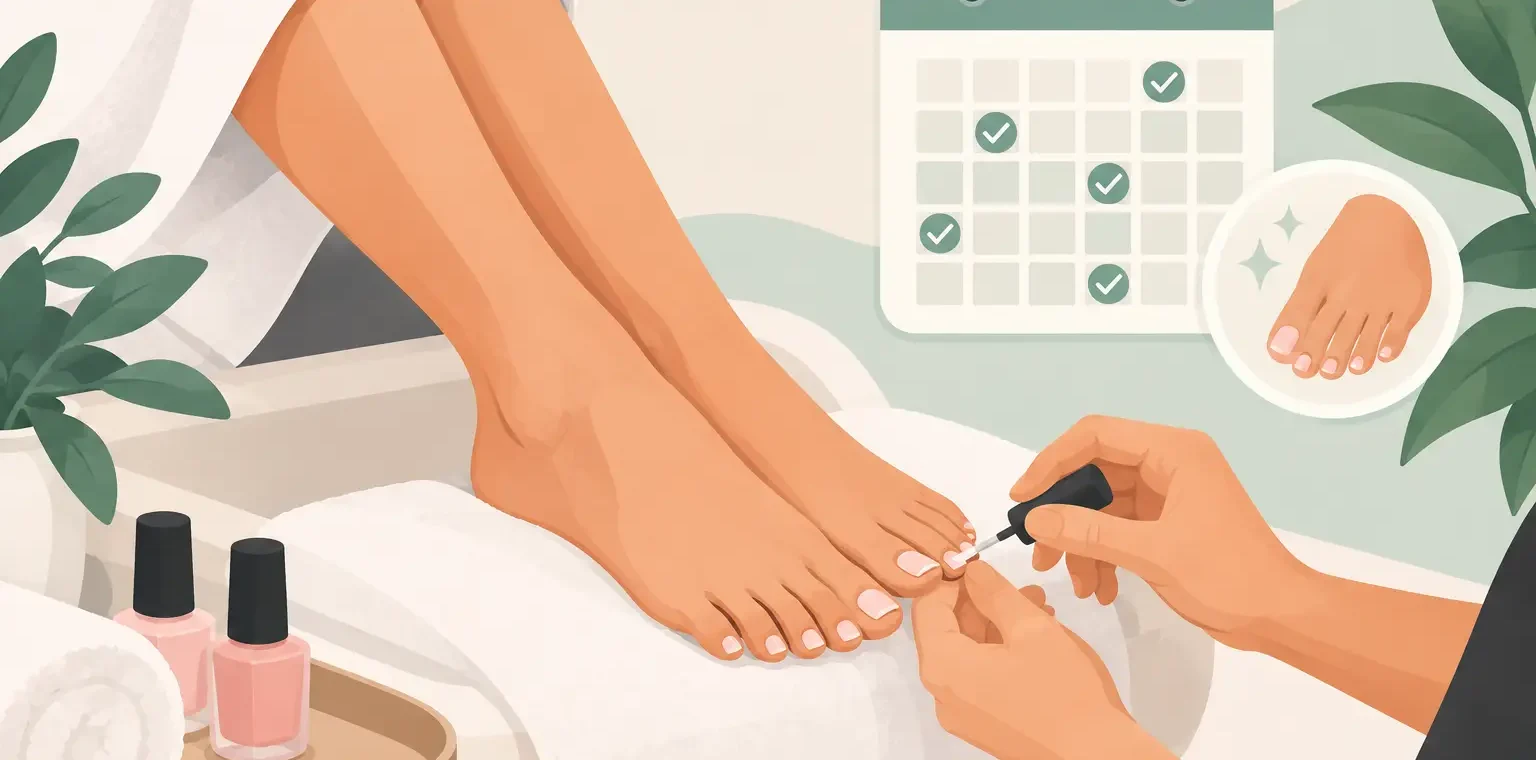
For routine professional care, plan on a pedicure about once a month. This gives your nails time to grow out naturally while helping prevent dry, rough skin from building up on the heels and balls of your feet. It also keeps polish looking intentional rather than chipped, faded, or grown out.
Every four weeks may be right for you if you wear open-toe shoes often, spend a lot of time on your feet, or simply enjoy keeping your nails consistently polished. If your polish lasts well and your feet stay smooth with home care, stretching appointments to five or six weeks can work beautifully.
Waiting much longer than six to eight weeks is not necessarily harmful for everyone, but it can make each appointment feel more like a recovery session. Dry skin, rough calluses, and overgrown nails have more time to develop. Regular appointments make maintenance easier and help your feet look and feel ready for whatever is on your schedule.
Your Lifestyle Helps Set the Schedule
There is no single pedicure timeline that fits every client. Think about what your feet do in a typical week. Someone who works at a desk in closed-toe shoes may have very different needs from someone who stands all day, runs regularly, teaches fitness classes, or spends weekends at the lake.
If you are active, calluses can return faster because of repetitive pressure and friction. A monthly pedicure can help keep rough areas under control and make your feet more comfortable in sneakers, boots, and sandals. If your feet tend to get dry, especially during Michigan winters, regular exfoliation and moisturizing may be reason enough to stay closer to a four-week rhythm.
Season also makes a difference. Many clients book more frequently in spring and summer because their feet are visible more often. That is completely reasonable, but winter is not a time to ignore foot care. Closed shoes can contribute to dryness, and regular care through colder months means you are not starting from scratch when sandal season returns.
Polish Type Changes the Timing
Traditional polish generally looks its best for one to two weeks, though wear time varies. Your nails may still look neat after that, but small chips, dullness, and visible growth can signal that it is time for a refresh. If you love changing your color often, you might book closer together or remove and reapply polish at home between professional pedicures.
Gel polish can last longer, often around two to four weeks, making it a good option for vacations, events, or anyone who prefers a longer-lasting finish. Still, longer wear does not mean you should skip foot care indefinitely. Your toenails continue to grow, and your skin still benefits from regular attention.
Avoid peeling off gel polish when it starts to lift. Picking can damage the surface of the natural nail. If you are ready for a change, schedule a proper removal and fresh service so your nails stay in good condition.
Signs It Is Time to Book Again
Your calendar is helpful, but your feet will also tell you when they are ready for care. Look for changes that make you less comfortable or less confident wearing the shoes you like.
Consider booking your next appointment when you notice:
- Rough, dry patches on your heels or the sides of your feet
- Calluses that feel thicker or uncomfortable when you walk
- Toenails that are longer, uneven, or catching on socks
- Cuticles that look dry or overgrown
- Polish that is chipped, noticeably grown out, or no longer your color
These are normal maintenance signs, not a reason to wait until your feet feel neglected. Staying ahead of them usually makes your pedicure more relaxing and keeps at-home upkeep simple.
What to Do Between Pedicures
A professional pedicure does the detailed work, while a few small habits at home can help results last. Moisturize your feet regularly, especially after bathing, and give extra attention to your heels. A richer foot cream at night followed by clean cotton socks can be especially helpful when indoor heat and cold weather leave skin feeling dry.
Keep nails trimmed straight across and file sharp edges gently as needed. Do not cut too deeply into the corners of your toenails, which can lead to irritation or ingrown nails. It is also best to avoid aggressively cutting cuticles or using sharp tools on calluses at home. A little daily care is more effective than trying to fix everything at once.
Choose shoes that fit well, too. Footwear with enough room in the toe box helps protect your polish and reduces pressure on your nails. For clients who are frequently on their feet, rotating shoes and wearing breathable socks can also help feet feel fresher between services.
When to Adjust Your Pedicure Routine
Sometimes the right answer is to book sooner, and sometimes it is to slow down. If your feet are irritated, your skin is unusually sensitive, or you have a nail concern, do not treat a standard pedicure as a fix-all. Discoloration, pain, swelling, open skin, or a suspected fungal issue should be evaluated by a medical professional before a nail appointment.
People with diabetes, circulation concerns, reduced sensation in the feet, or other medical conditions should ask their healthcare provider about the safest foot-care routine for their needs. Professional salon care can be a lovely part of self-care, but health concerns always deserve the right level of attention.
For everyone else, flexibility is the goal. You may come in every four weeks during sandal season, then shift to every six weeks when boots are back in rotation. You may book ahead before a wedding, vacation, or special event. Your routine should support your life, not complicate it.
Make Pedicures Part of Your Regular Care
A pedicure is one of those appointments that feels good in the moment and pays off afterward. Cleanly shaped nails, softened skin, and polished toes can make getting dressed feel a little easier. More importantly, routine care gives you a chance to slow down and give hard-working feet the attention they rarely get.
At Studio G Salon & Co., a pedicure can fit naturally into a larger beauty routine, whether you are maintaining a favorite polish color or pairing nail care with another appointment. Choose the schedule that feels realistic for you, then keep an eye on how your feet respond. The best time to book is usually before your feet have to ask twice.