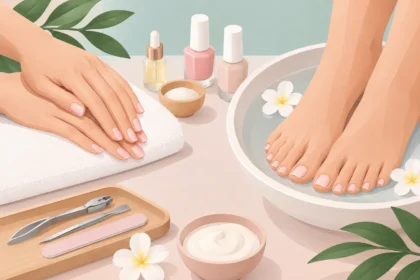

Freshly polished nails can pull an outfit together, but a nail appointment is about more than choosing a color. Understanding the difference between manicure and pedicure helps you book the service that fits your needs, whether your hands need a polished refresh, your feet need extra care, or you are ready for both.
Difference Between Manicure and Pedicure at a Glance
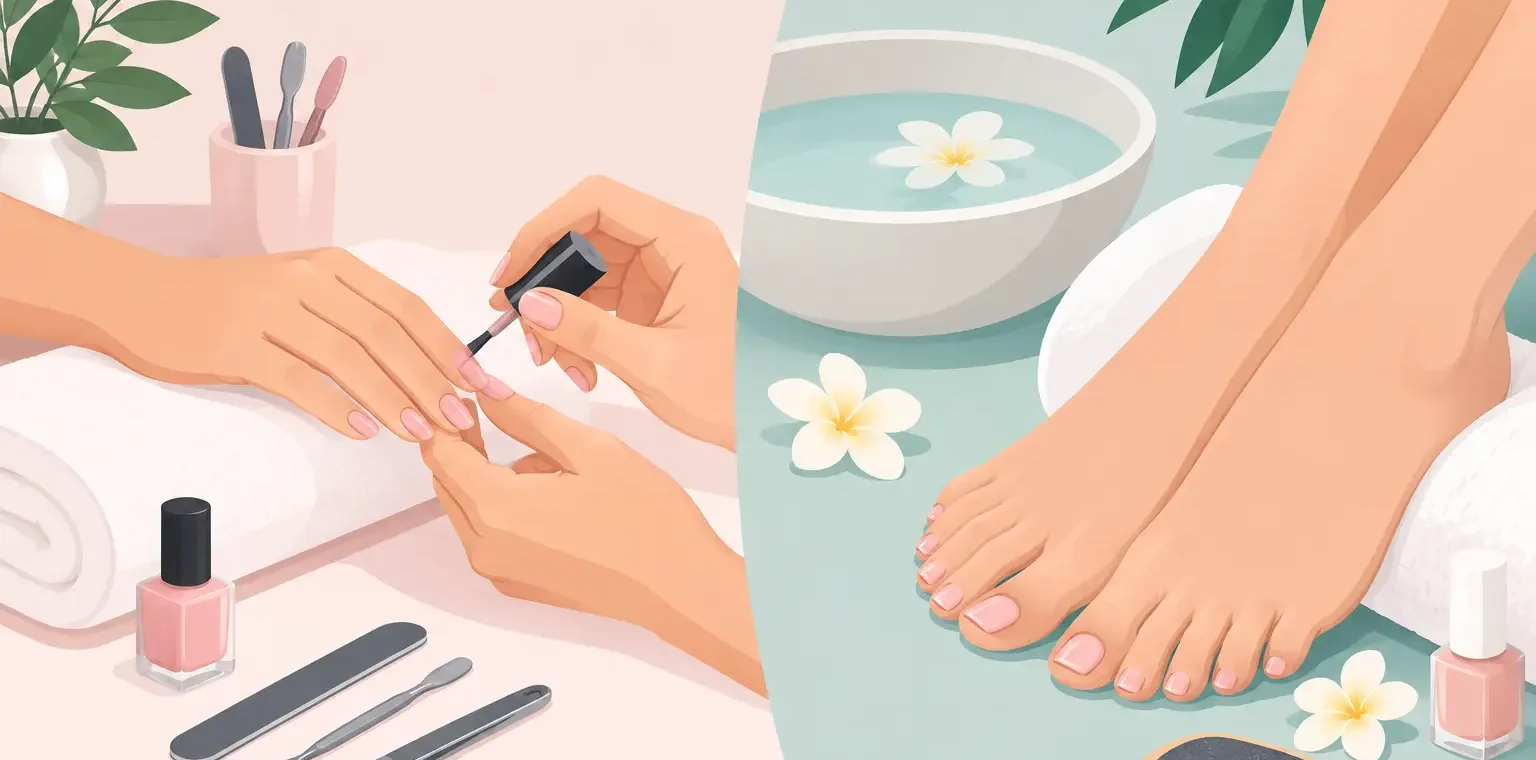
A manicure focuses on the hands and fingernails. It typically includes nail shaping, cuticle care, light hand exfoliation or massage, and polish application. A pedicure focuses on the feet and toenails, with those same foundational nail-care steps plus more attention to the heels, soles, and areas where dry skin tends to build up.
The simplest way to remember the difference is this: a manicure keeps your hands looking neat and cared for, while a pedicure combines toenail grooming with restorative foot care. Both can be polished, relaxing appointments, but they serve different day-to-day needs.
Your hands are always visible. They show up in meetings, photos, handshakes, and everyday tasks. Your feet spend more time inside shoes, so they often need targeted exfoliation, softening, and callus care. That is why a pedicure usually takes a little more focus on skin care than a manicure does.
What Happens During a Manicure?
A professional manicure begins with an assessment of your natural nails and the look you want. Your nail technician may remove existing polish, shape the nails, tidy the cuticles, and lightly buff the nail surface when appropriate. The service is finished with your selected polish or another nail enhancement, depending on the appointment you book.
Many manicures also include a hand treatment, such as a brief exfoliation, moisturizing lotion, or relaxing massage. These details are not just about feeling pampered. They help soften dry skin around the nails and leave hands looking smoother and more finished.
Manicures work well as regular maintenance for anyone who wants clean, even nails. They are especially popular before vacations, celebrations, professional events, and seasons when hands are more visible. A neutral polish can look polished for everyday wear, while brighter colors, nail art, or seasonal shades can make the appointment feel more personal.
When a Manicure Makes the Most Sense
Book a manicure when your fingernails are chipped, uneven, overgrown, or simply ready for a refresh. It is also a smart choice if your hands feel dry after frequent washing, cold Michigan weather, gardening, or hands-on work.
If you are short on time, a manicure can be an efficient way to look put together. Keep in mind that polish on fingernails often sees more wear than polish on toes because hands are constantly in use. If you type, clean, cook, or work with your hands every day, ask your nail professional which service and polish option best match your routine.
What Happens During a Pedicure?
A pedicure cares for the toenails and the skin of the feet. The appointment commonly includes a soak, toenail trimming and shaping, cuticle care, exfoliation, callus softening or removal, moisturizing massage, and polish. The exact steps can vary based on the service selected and the condition of your feet.
The foot-focused portion is what sets a pedicure apart. Dry heels, rough soles, and areas of pressure can make feet feel uncomfortable even when the toenails look fine. Exfoliation and professional foot care help improve the look and feel of the skin, leaving feet smoother and more comfortable in sandals, heels, sneakers, or bare feet at home.
A pedicure can also be a welcome reset after a busy stretch of standing, walking, traveling, or wearing closed-toe shoes. It is not medical treatment, and concerns such as pain, wounds, swelling, or possible infection should be addressed by a healthcare professional. For routine grooming and dry-skin maintenance, though, regular pedicures can make a noticeable difference.
When a Pedicure Is the Better Choice
A pedicure is ideal when your feet feel neglected, your heels are dry, or your toenail polish has grown out. Many clients book before sandal season, beach trips, weddings, or a special event, but foot care is useful year-round. Closed shoes do not make foot maintenance less necessary. In fact, dry winter air and long days in boots can leave heels needing extra attention.
Toenail polish usually lasts longer than fingernail polish because toenails are less exposed to daily water, typing, and household tasks. That can make a pedicure a practical option if you want a longer-lasting polished look with less frequent maintenance.
Manicure vs. Pedicure: The Main Service Differences
The difference between a manicure and pedicure is not simply hands versus feet. Each service is designed around the way that part of the body is used and the concerns it commonly develops.
A manicure is primarily about nail appearance, cuticle maintenance, and soft hands. Fingernails are often shaped with more attention to the silhouette you prefer, such as round, square, almond, or squoval. Since hands are highly visible, color selection and finish often take center stage.
A pedicure gives more time to the condition of the skin, especially the soles and heels. Toenails are generally kept at a practical length and shape to stay comfortable in shoes. While polish is still a popular finishing touch, many people choose pedicures for the soak, exfoliation, and massage as much as the color.
There is overlap, of course. Both services promote neat nails, soften the skin, and create time to relax. Your technician can tailor the appointment to your preferences, whether that means a clean natural finish, classic color, or a more detailed look.
Should You Get a Manicure, a Pedicure, or Both?
It depends on what needs attention and how you want to feel when you leave. Choose a manicure if your hands are front and center and your fingernails need shaping, polish, or cleanup. Choose a pedicure if your feet are dry, tired, or ready for sandal-worthy color.
Booking both is a convenient choice before a vacation, holiday gathering, wedding, or self-care day. It also makes sense if you prefer to keep your grooming routine on one schedule rather than fitting in separate appointments later. At Studio G Salon & Co., coordinating beauty services in one local appointment setting can make regular maintenance easier to keep up with.
There is no rule that says manicures and pedicures must happen at the same frequency. Some clients refresh their fingernails every two to three weeks but schedule pedicures less often. Others keep up with pedicures monthly and save manicures for events. Your polish choice, lifestyle, budget, and personal comfort all matter.
How to Make Your Nail Service Last
After a manicure, use cuticle oil and hand cream regularly, and wear gloves for cleaning or gardening. Try not to use your nails as tools for opening packages or scraping labels. Small habits like these help reduce chips and breakage.
After a pedicure, moisturize your feet consistently, especially the heels. Let polish dry fully before putting on tight shoes, and choose shoes that give toes enough room. Between appointments, a gentle foot file and rich foot cream can help maintain smoother skin without overdoing exfoliation.
For both services, arrive with any preferences in mind, such as your favorite shade family, desired nail length, or concerns about dryness. Clear communication helps your nail professional create a result that feels like you.
Whether you choose a manicure, a pedicure, or a little time for both, think of the appointment as regular care rather than a once-in-a-while treat. A consistent routine keeps hands and feet comfortable, polished, and ready for whatever is on your calendar.