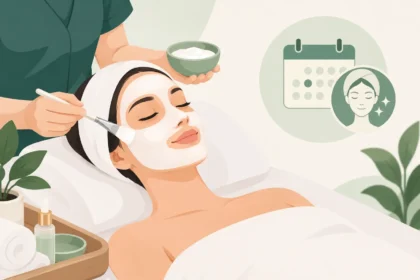

Tightness after cleansing, makeup that catches on dry patches, and a complexion that looks dull by midafternoon are more than small annoyances. They are common signs that skin needs more comfort and moisture. A facial for dry skin treatment can be a relaxing way to give your complexion focused care while helping it look smoother, calmer, and better prepared for your everyday routine.
Dry skin is not always the same as dehydrated skin, and that difference matters. Dry skin tends to produce less oil, while dehydrated skin lacks water and can happen to almost any skin type. You may even have oily areas and still feel tight or flaky in others. A professional facial gives your esthetician the chance to look at what your skin is doing right now and choose care that fits.
Why Dry Skin Can Feel So Stubborn
Michigan weather can be especially hard on skin. Cold temperatures, indoor heat, wind, and hot showers can all leave the complexion feeling stripped. Summer sun, air conditioning, travel, and stronger skincare products can create similar issues at other times of year.
Your skin barrier also plays a big role. Think of it as the outer layer that helps keep moisture in and irritants out. When that barrier is stressed, skin may feel rough, sensitive, itchy, or tight. Using a cleanser that is too harsh, exfoliating too often, or skipping moisturizer can make the cycle harder to break.
A dry complexion does not always need more products. Sometimes it needs fewer products used more consistently. The goal is to cleanse gently, add moisture, and support the skin barrier without overwhelming it.
What to Expect From a Facial for Dry Skin Treatment
A dry-skin-focused facial should feel comforting, not aggressive. Your appointment may begin with a conversation about your current skincare routine, seasonal changes, sensitivity, and the areas that concern you most. Be honest about products you use at home, recent treatments, allergies, and any irritation. Those details help guide the service.
Cleansing is usually followed by an assessment of the skin, then carefully selected steps that may include gentle exfoliation, hydrating masks, massage, and moisturizing finishing products. The exact experience depends on your skin and the facial service selected. Someone with light surface flaking may benefit from gentle exfoliation, while someone whose skin feels reactive may need a more soothing approach.
Professional exfoliation can be useful because dry, dull-looking skin often has a buildup of dead skin cells at the surface. But more is not automatically better. Over-exfoliating can leave skin feeling temporarily smooth, then increasingly tight or irritated. A good facial balances renewal with replenishment.
Massage is another reason many clients love facials. Beyond the chance to slow down, facial massage can help the skin look refreshed and can make the appointment feel like genuine self-care instead of another task on the calendar. Hydrating serums, creams, and masks are then applied to leave skin feeling cushioned rather than coated.
At Studio G Salon & Co., a facial appointment can be an easy addition to the same local beauty routine that includes hair, nails, or lashes. It is a practical way to make time for your skin without turning self-care into an all-day commitment.
Signs You May Benefit From Hydrating Facial Care
Dry skin can show up differently from person to person. You may notice flakes around the nose or eyebrows, roughness on the cheeks, fine lines that look more visible when skin is thirsty, or foundation that separates instead of blending. Some people also experience a stinging sensation when applying products that never used to bother them.
A facial can help when those signs are occasional or seasonal, especially if you want support choosing better products for home. It is also a good option before an event when you want makeup to sit more smoothly, though it is wise to schedule a new treatment well ahead of an important date. Skin can respond differently to any service, and giving yourself time is always the more comfortable choice.
If dryness comes with persistent redness, cracking, swelling, pain, or a rash, a facial is not a replacement for medical care. Check with a dermatologist or healthcare professional for ongoing or severe symptoms. Professional skincare works best when it complements the right care for your individual needs.
How to Help Results Last Between Appointments
The facial itself is only one part of caring for dry skin. What happens at home, morning and night, has the biggest effect on how your skin feels over time.
Start by reconsidering your cleanser. If your face feels squeaky-clean or tight immediately after washing, your cleanser may be too drying for your skin. A gentle cleanser and lukewarm water are often a better match than hot water and strong, heavily fragranced formulas. Pat skin dry instead of rubbing it with a towel.
Apply moisturizer while your skin is still slightly damp. This simple habit helps hold onto the water already on the skin’s surface. Look for formulas that feel comfortable enough to use consistently. A lightweight lotion may be right in warmer months, while a richer cream can be more helpful during a cold Portage winter.
Daily sunscreen also belongs in a dry-skin routine. Sun exposure can contribute to dryness and visible signs of skin aging, even on overcast days. Choose a broad-spectrum sunscreen that feels moisturizing and works well under your makeup, then make it part of your morning routine.
Be thoughtful with active ingredients. Retinoids, exfoliating acids, acne treatments, and even some vitamin C products can be useful, but they may need to be introduced slowly when skin is dry or sensitive. If your skin starts burning, peeling, or becoming noticeably irritated, simplify your routine and ask a skincare professional for guidance. You do not need to use every trending product to have healthy-looking skin.
Choosing the Right Timing for Your Facial
Some clients book a facial when their skin starts feeling uncomfortable. Others make it part of regular maintenance, especially during the colder months. There is no single schedule that suits everyone. Your skin type, goals, budget, home routine, and the season all influence how often you may want an appointment.
If you are new to facials, start with one appointment and pay attention to how your skin feels in the days that follow. Notice whether makeup applies more evenly, whether dry areas feel less rough, and whether your home products seem to perform better. Those observations make it easier to plan future visits.
Before your appointment, avoid trying several new products at once or using strong exfoliants right beforehand. Arrive with questions about your routine and let your esthetician know if you have recently had a peel, used prescription skincare, or experienced sensitivity. Clear communication helps keep the service comfortable and personal.
A Softer Routine Starts With One Appointment
Dry skin does not need a complicated answer. A thoughtful facial, gentle daily care, and a little consistency can make a noticeable difference in how your complexion feels. When your skin is asking for more comfort, scheduling time for professional care can be a simple, welcome place to start.