
Your first facial is not a test of how well you know skin care. You do not need perfect skin, a complicated routine, or a long list of products to bring with you. If you are wondering what to expect at your first facial, expect a one-on-one service built around your skin, your comfort level, and the goals you share at the start.
A facial can be a relaxing reset, but it is also professional skin care. The best appointment begins with an honest conversation about what your skin has been doing lately. Maybe you feel dry and dull after a Michigan winter, notice congestion around your chin, or simply want a little more glow before an event. All of that is useful information.
Before Your First Facial
Keep your routine simple in the days leading up to your appointment. There is no need to stop cleansing or moisturizing, but avoid trying a brand-new product right before you go. If your skin reacts, it can be difficult to tell whether the reaction came from the product or the facial.
It is also smart to hold off on strong at-home exfoliants, scrubs, and peels for several days, especially if your skin is sensitive. Products with retinol, prescription acne treatments, or exfoliating acids may affect which services and products are appropriate that day. You do not have to figure that out alone. Just be ready to say what you use and how often.
Arrive with or without makeup based on what is most convenient. Your provider will cleanse your skin as part of the service, so a full face of makeup is not a problem. If you wear contact lenses and expect to relax with your eyes closed, you may prefer to bring a case and remove them beforehand.
Your Facial Starts With a Consultation
The consultation is one of the most valuable parts of a first facial. Before treatment begins, your esthetician may ask about your skin concerns, daily routine, allergies, sensitivities, medications, recent treatments, and desired results. Be specific, even if a detail seems small.
For example, mention if you are pregnant, using a prescription skin medication, have recently waxed your face, are prone to cold sores, or had a chemical peel or laser service. These details do not automatically mean you cannot have a facial. They help your provider choose a safe, comfortable approach.
This is also the time to talk about your goals. You can say you are concerned about breakouts, texture, dryness, fine lines, uneven tone, or that you simply want to maintain healthy-looking skin. A first facial does not need to solve every concern in one visit. Skin often responds best to thoughtful, consistent care rather than an overly aggressive treatment.
Do Not Be Afraid to Ask Questions
A professional facial should feel approachable. Ask what products are being used, whether a step may tingle, how extractions work, or what you should avoid afterward. If you have never had one before, it is completely fine to say so.
You can also speak up during the service. If the room feels too cool, the massage pressure is too firm, or a product feels uncomfortable, say something right away. Your comfort matters, and small adjustments can make the appointment much more enjoyable.
What Happens During a Facial?
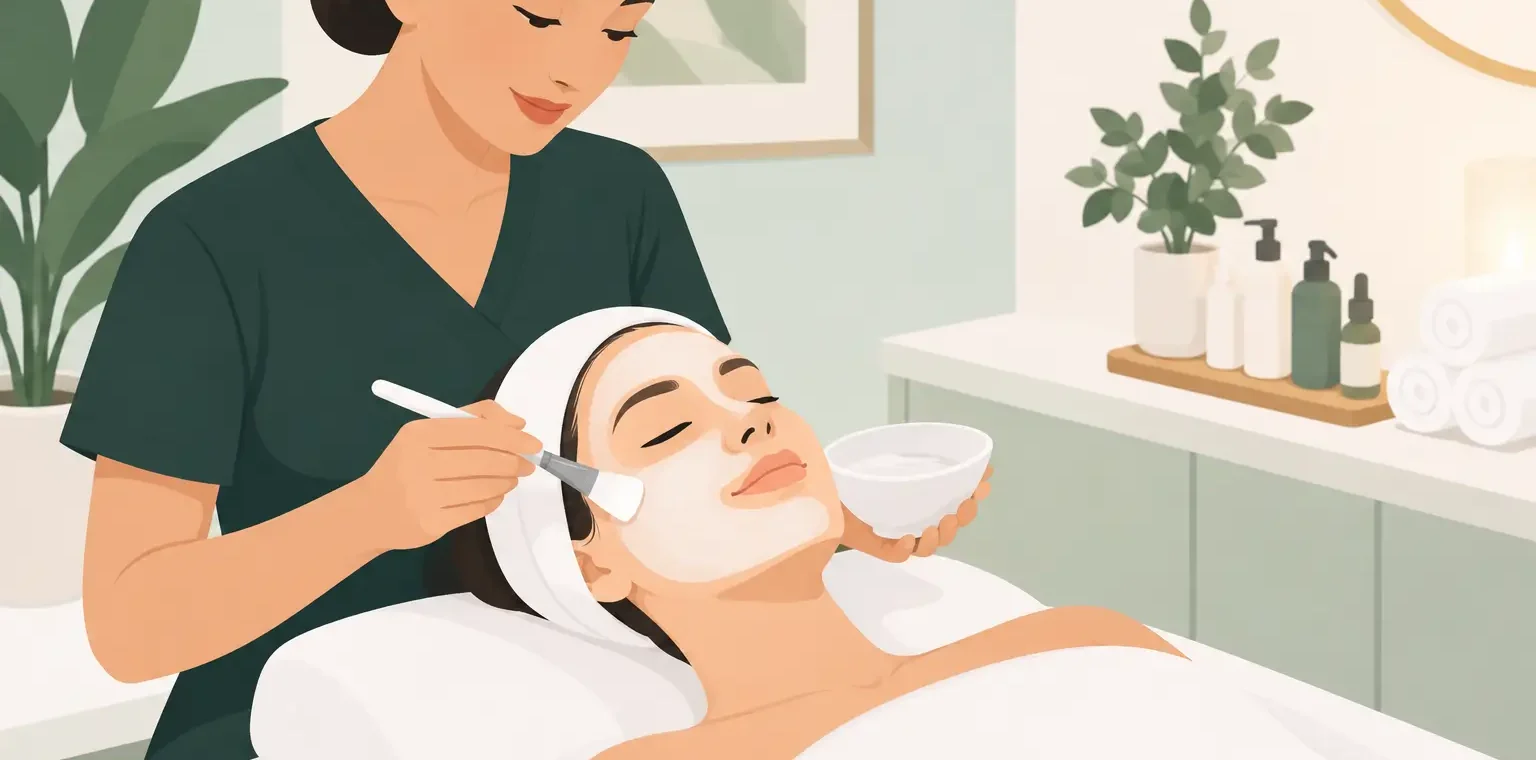
Every facial is a little different, but many appointments follow a similar flow. After your consultation, you will get comfortable on the treatment bed while your hair is secured away from your face. Soft lighting, warm towels, and a quiet setting are common, but there is no expectation that you need to be perfectly still or silent.
Your esthetician will usually begin with a thorough cleanse to remove makeup, oil, sunscreen, and daily buildup. From there, they may examine your skin more closely before moving into exfoliation, steam or warm towels, treatment products, extractions if appropriate, a mask, and finishing hydration and sun protection.
Some steps feel especially relaxing. Facial massage can help you unwind, while a warm towel may soften and refresh the skin. Other steps can feel more active. Exfoliation may create a light tingling sensation, and certain masks may feel cool, tight, or slightly warming as they work. A little sensation can be normal, but burning or sharp discomfort is not something to push through.
What About Extractions?
Extractions are the process of clearing certain clogged pores, such as blackheads or whiteheads. They are not required at every appointment, and they are not right for every type of breakout. Your provider will decide whether they make sense for your skin that day.
Extractions can create pressure and brief discomfort, particularly around the nose or chin. They should not feel unbearable. Trying to remove every clogged pore in one session can irritate the skin, so a careful, selective approach is often the better choice.
What Your Skin May Look Like Afterward
Many people leave a facial looking refreshed, smoother, and more hydrated. Others may notice mild pinkness, especially after extractions or exfoliation. That usually settles fairly quickly, but timing matters if you are booking before photos, a wedding, or another important event.
For a major occasion, schedule your first facial at least one to two weeks ahead when possible. That gives your skin time to settle and lets you learn how it responds. Once you know what works well for you, future appointments can be easier to plan around your calendar.
Do not expect a facial to permanently change your skin overnight. It can give you a visible boost, but long-term improvements usually come from a realistic home routine, sun protection, and regular treatments when they fit your goals and budget. Think of a facial as professional support for your skin, not a replacement for daily care.
First Facial Aftercare
Your esthetician will give you recommendations based on the service you received, and those should come first. In general, the goal after a facial is to let your skin enjoy the treatment rather than immediately adding more stimulation.
For the rest of the day, skip exfoliating products, scrubs, retinol, and strong acne treatments unless your provider tells you otherwise. Avoid picking at your skin, even if you notice an area that was not extracted. Use gentle cleanser, moisturizer, and sunscreen as directed.
You may also want to avoid heavy sweating, hot tubs, saunas, and intense heat for a short period, particularly after exfoliation or extractions. Freshly treated skin can be more sensitive than usual. If you are heading outdoors, sunscreen is a must, even on overcast days.
There is a trade-off here: doing more is not always better. Adding several active products because your skin feels extra smooth can lead to irritation. A calm, simple routine is usually the best follow-up.
How Often Should You Get a Facial?
The right schedule depends on your skin, your goals, and your routine. Some clients book facials as an occasional self-care appointment before a vacation or special event. Others come in regularly to support concerns like congestion, dryness, or seasonal changes.
A monthly rhythm can work well for many people because skin naturally cycles over several weeks, but it is not the only option. Your esthetician can help you decide whether regular facials make sense or whether a few adjustments at home may be enough for now. The right plan should feel practical, not pressured.
At Studio G Salon & Co., a facial can fit naturally into a larger self-care day, whether you are also planning a hair, nail, or lash appointment. Still, it is perfectly fine for your facial to be the main event. The goal is to leave feeling cared for, informed, and comfortable in your own skin.
Your first appointment is simply a starting point. Come with your questions, share what your skin has been telling you, and give yourself permission to relax. A good facial should make professional skin care feel clear, personal, and easy to return to when you are ready.